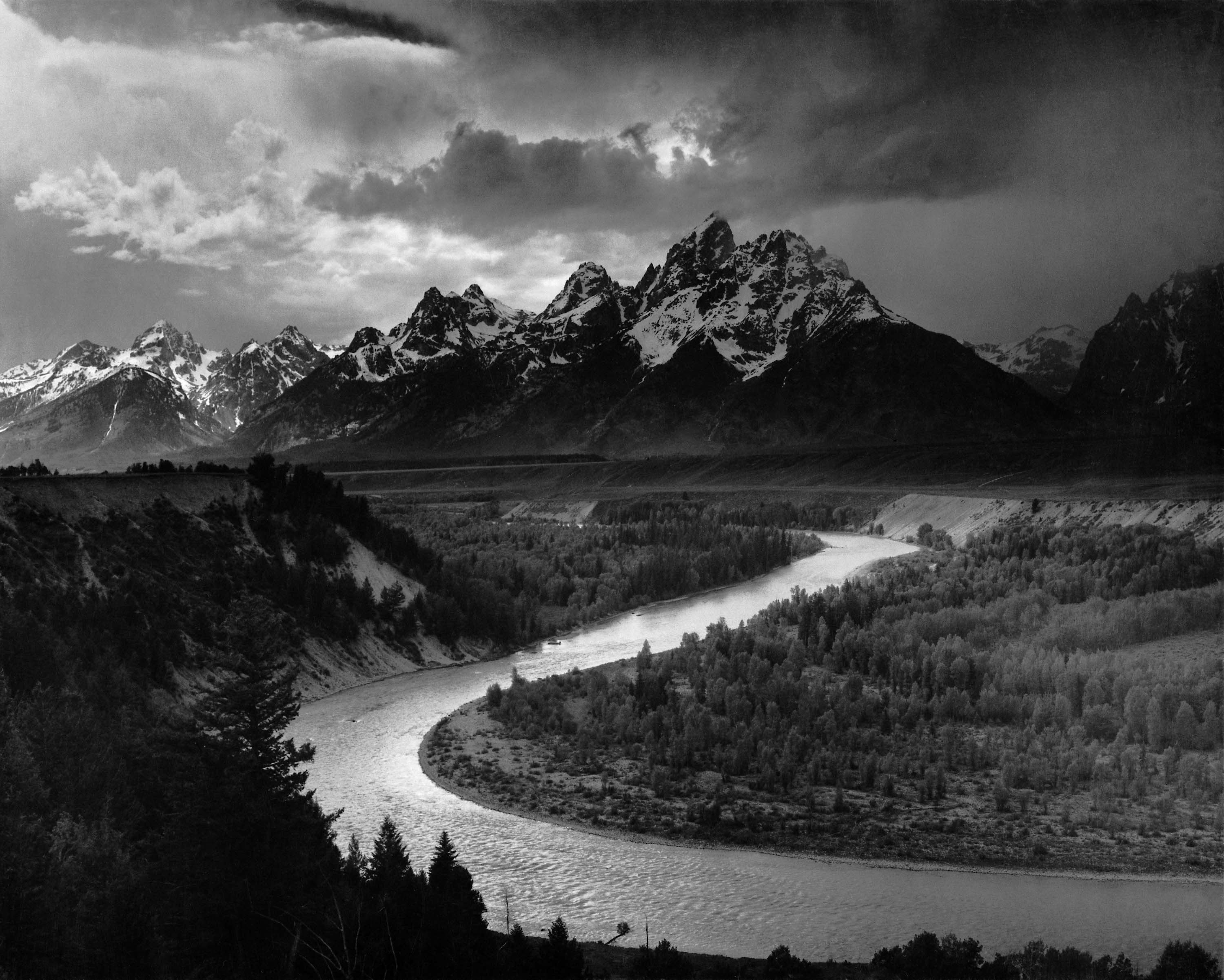
Shutter Speed
The shutter speed is the speed in which the shutter on the camera shuts.The longer the shutter speed the darker the picture would be. The shorter the shutter speed the lighter it would be. The speed of the shutter determines whether the picture is blurry or not. For example.

long shutter speed, medium shutter speed and short shutter speed
The inter-lens type works like the iris of your eye, except that most of the time the iris is closed shut. For exposure the iris opens, then shuts again. And how long it’s open is the exposure time. It’s that simple. The sensor type works in a completely different way. It is collecting light all the time, that’s how you can see the image on the screen so you focus and frame up. When you make the exposure, the sensor circuits are told to start collecting light, and then the end of the exposure a pulse in the circuits shunts the collected light, now an electrical charge, to under a lightproof cover on the sensor. From there, the charge can be read to create the image.

A photographer that uses slow shutter speed is Milan Malovrh, he uses a lot of horses in his photos and this is one of them.
Large depth of field and short depth of field
Depth of field refers to the range of distance that appears acceptably sharp. It varies depending on camera type, aperture and focusing distance, although print size and viewing distance can also influence our perception of depth of field. This tutorial is designed to give a better intuitive and technical understanding for photography, and provides a depth of field calculator to show how it varies with your camera settings. The depth of field does not abruptly change from sharp to unsharp, but instead occurs as a gradual transition. In fact, everything immediately in front of or in back of the focusing distance begins to lose sharpness, even if this is not perceived by our eyes or by the resolution of the camera. Aperture and focusing distance are the two main factors that determine how big the circle of confusion will be on your camera's sensor. Larger apertures (smaller F-stop number) and closer focusing distances produce a shallower depth of field. The following test maintains the same focus distance, but changes the aperture setting

F/8.0
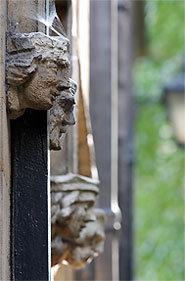
F/5.6

F/2.8
Since there is no critical point of transition, a more rigorous term called the "circle of confusion" is used to define how much a point needs to be blurred in order to be perceived as unsharp. When the circle of confusion becomes perceptible to our eyes, this region is said to be outside the depth of field and thus no longer "acceptably sharp." The circle of confusion above has been exaggerated for clarity; in reality this would be only a tiny fraction of the camera sensor's area.

When does the circle of confusion become perceptible to our eyes? An acceptably sharp circle of confusion is loosely defined as one, which would go unnoticed when enlarged to a standard 8x10 inch print, and observed from a standard viewing distance of about 1 foot.